
Lectures
Click on a lecture to see the summary of that day, together with optional reading or viewing. You can also download the slides and any demo code.
It is Cornell policy that we do not record lectures. You are expected to attend in order to learn the material. You may review the lesson videos recorded during COVID for supplemental instruction, though that material is different from what is covered this semester.
Nested Lists

|
This lecture references Lesson 18. This lecture explores lists in greater depth, both literally and metaphorically, As lists can contain any object, they can also contain other lsits. More › |
| October 8, 2026 | handout | slides | demos |
For-Loops

|
This lecture references Videos 16.1-16.7. Lists (and sequences) come with their own special control structure: the for-loop. This is the last traditional control structure we will see for a while. More › |
| October 6, 2026 | handout | slides | demos |
Lists (and Sequences)
|
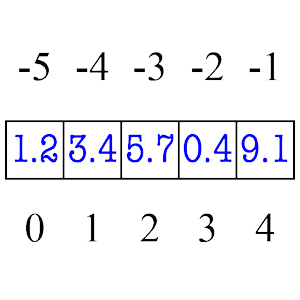
This lecture references Videos 15.1-15.7. Today we introduce another sliceable data type: lists. They are similar to strings, except that they can contain data other than text. More › |
| October 1, 2026 | handout | slides | no demos |
Asserts and Debugging
|
This lecture references Lesson 13. In this lecture we do a deeper dive in the principles of debugging. We learn how to how to search a program for errors. We also show how to create our own errors, and why this might aid debugging. More › |
| September 29, 2026 | handout | slides | demos |
Memory in Python
|
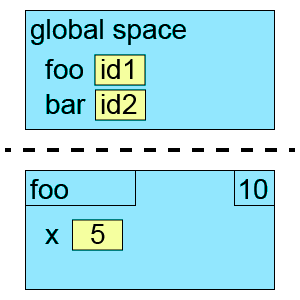
This lecture references Lesson 12. The last lecture pulled back the curtain on what is really happening with memory in Python. Today we put everything back together. More › |
| September 24, 2026 | handout | slides | demos |