Richard Lanas Phillips
PhD student, Cornell CS · advised by Kyra Gan.

PhD student, Cornell CS · advised by Kyra Gan.
Finding structure in messy data across populations.
I study how to make meaningful comparisons across populations that differ in structure, needs, and representation. When do models, and the conclusions we draw from them, transfer across groups, institutions, and time? How do models, including LLMs, represent and compare people, and where do those comparisons fail? When are two patients or two decisions similar enough to learn from together, and what abstractions make them so? I'm currently pursuing these questions in clinical records, where documented reasoning can reveal structure that standard tabular representations miss.
I’m affiliated with Cornell’s Center for the Study of Inequality. I’ve held an ICES fellowship and led the MD4SG working group on discrimination and equality in algorithmic decision-making.
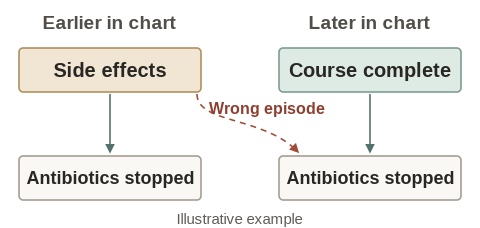
Investigating how language models can reconstruct clinical decision processes from patient records and trace the evidence and constraints underlying individual choices. The aim is to make these explanations inspectable and support meaningful comparisons across patients and contexts.
In collaboration with Kyra Gan and Amrith Setlur.

With Madeleine Udell and Laura C. Rosella, developed ML segmentation approaches for longitudinal data covering more than 15 million Ontarians. The project combined billing records, lab results, surveys, and other data to inform health-system planning.
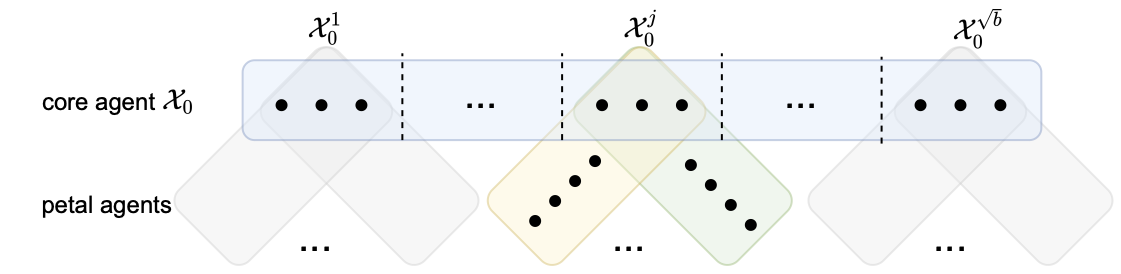
Equilibria, optimality, and incentive constraints for collaborative learning across heterogeneous populations. We consider what burdens individual populations should shoulder given their performance demands and the structure of their data as related to other collaborators.

Profiled large administrative datasets for WILDS, comparing feature distributions across subpopulations and geographic regions. Assessed which shifts could be used to test how well models generalize as deployment conditions change.
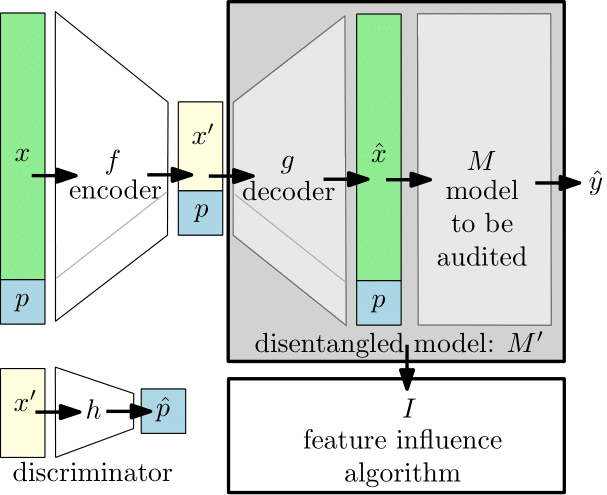
We showed how disentangled representations can help find proxy features and audit bias in correlated features. Our method computes feature influence on individual or aggregate outcomes.
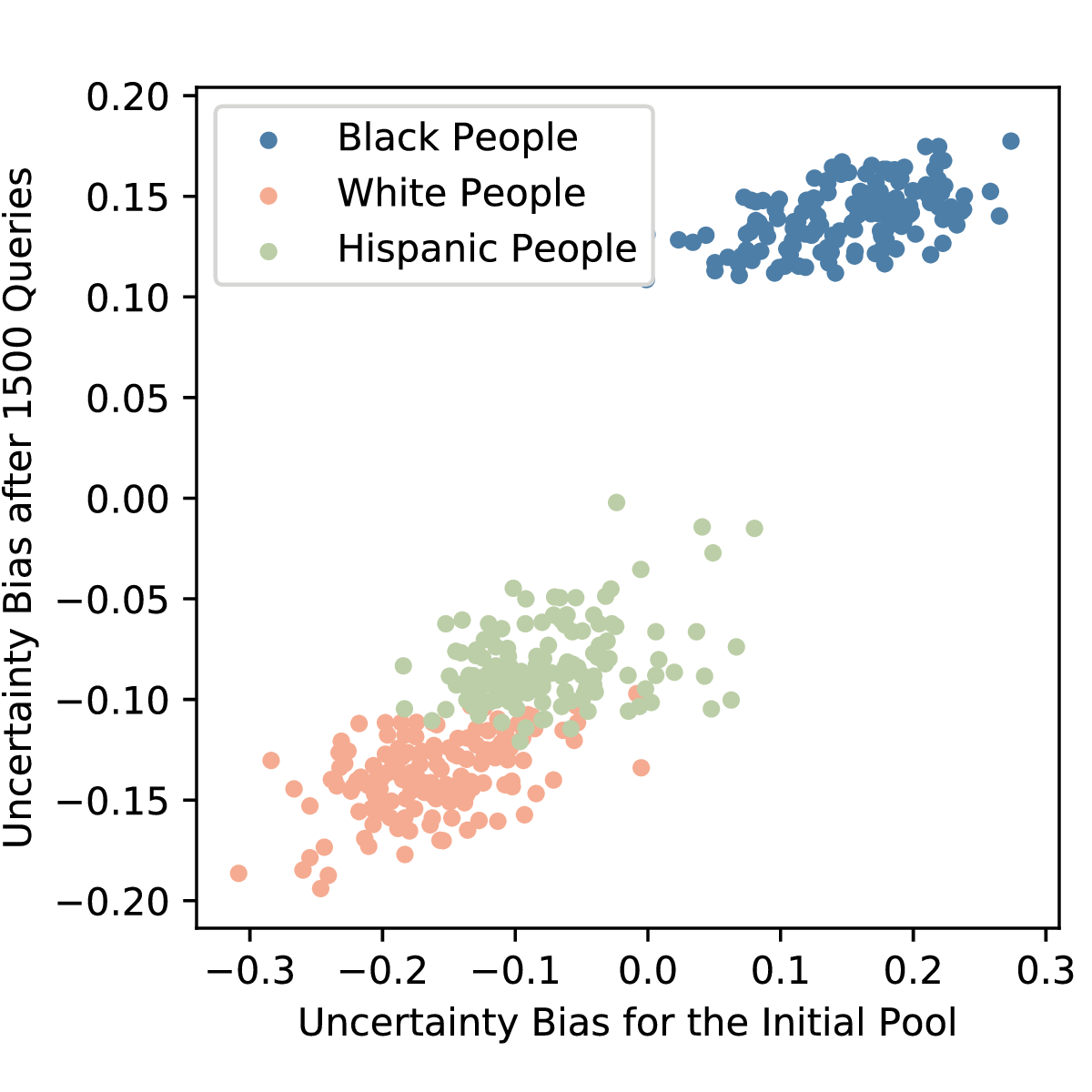
A framework for explaining active-learning queries to domain experts, with auditing applications revealing persistent uncertainty disparities across racial groups. We built this to help batch active learning queries in a way that let chemists design natural experiments.

At Haverford College, turned thousands of failed synthesis reactions into a recommendation system that accelerated chemical exploration and surfaced human biases in the lab pipeline.