AI innovation starts at Bowers.
#3 in AI
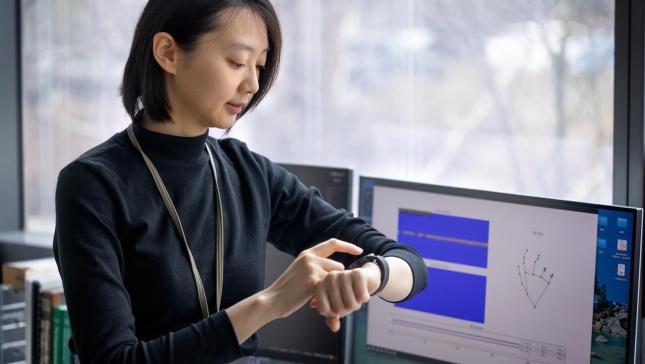
Ranked #3 in AI among U.S. institutions by CSRankings, Cornell Bowers continues to innovate in the field of AI, with faculty conducting award-winning research in areas such as human-AI interaction, robotics, cybersecurity, computational sustainability, and AI trust and accessibility.
A founding force in AI
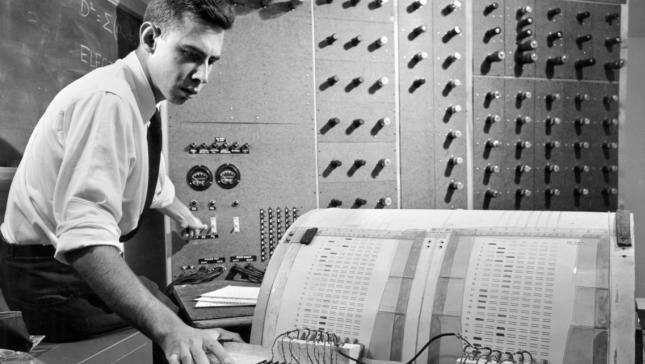
Cornell University played a foundational role in the development of AI. In 1956, Cornell Ph.D. graduate and "father of deep learning," Frank Rosenblatt ’50, Ph.D. ’56 (pictured above), demonstrated the perceptron – the first machine that could learn to classify what it saw. Every deep learning system in use today descends from that algorithm. Cornell went on to found one of the world's first computer science departments in 1965, and its faculty have twice won the Turing Award, commonly referred to as the Nobel Prize in computing.
Faculty shaping the field.
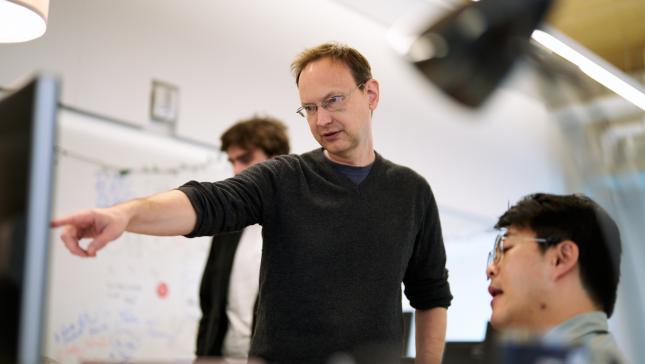
Cornell Bowers faculty are internationally recognized leaders in artificial intelligence, machine learning, data science, human-computer interaction, and related fields. Their work attracts significant research support, shapes emerging technologies, and informs the development of ethical and trustworthy AI systems
AI Research
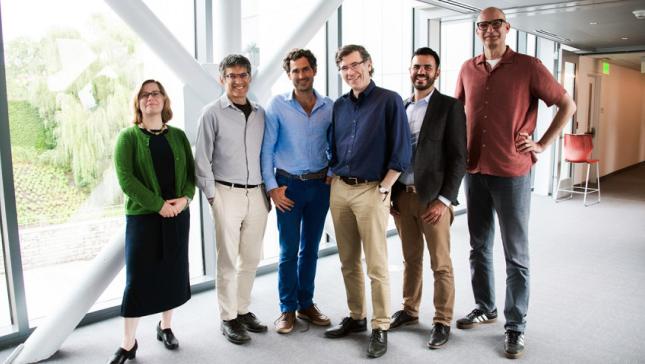
Project to rebuild trust in AI era lands $10M ‘moonshot’ award
With a $10 million Moonshot Award from Laude Institute, Cornell researchers are developing AI tools and protocols designed to rebuild trust online, making civic conversations more productive, informative, and human-centered.
Amazon partnership establishes Cornell AI security initiative
Computer scientists from the Cornell Ann S. Bowers College of Computing and Information Science and Cornell Tech will lead the development of safety protocols to shore up AI agents and the code they produce. The Amazon gift also establishes a new Cornell-based initiative, AI4AI, that brings together university leaders in machine learning, security, formal methods and verification to improve agentic AI.
Collaboration will advance cardiac health through AI
Employing artificial intelligence to help improve outcomes for people with cardiovascular disease is the focus of a three-year, $15 million collaboration among Cornell Bowers, Cornell Tech, and NewYork-Presbyterian – with physicians from its affiliated medical schools Weill Cornell Medicine and Columbia University Vagelos College of Physicians and Surgeons.
AI Education

Online master’s programs in AI
Cornell Bowers is preparing the next generation of technology leaders through innovative, future-focused master’s programs.The newly launched online degrees in artificial intelligence will equip graduates with the technical expertise, interdisciplinary perspective, and practical skills needed to lead in a rapidly evolving, AI-driven world.
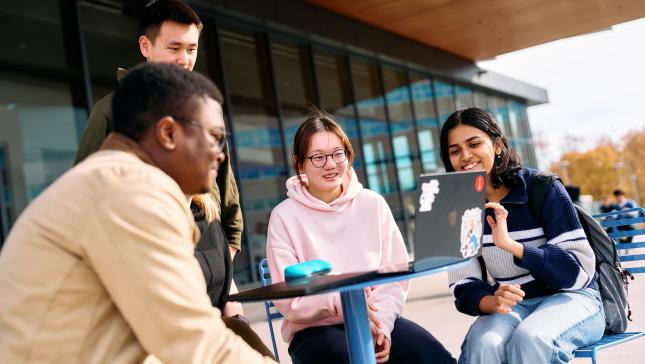
AI minors for any academic discipline.
Whether you're building the AI models, questioning their impact, or applying them to your own field, there's a Bowers minor for you. The AI Minor is a technical track for students designing and implementing the algorithms behind modern AI. The AI in Society Minor (coming soon!) has no math or CS prerequisites and explores how AI interacts with institutions, culture, and daily life. The Applied AI Minor (coming soon!) hasno math or CS prerequisites and equips students to apply modern AI techniques to real problems in your own discipline.
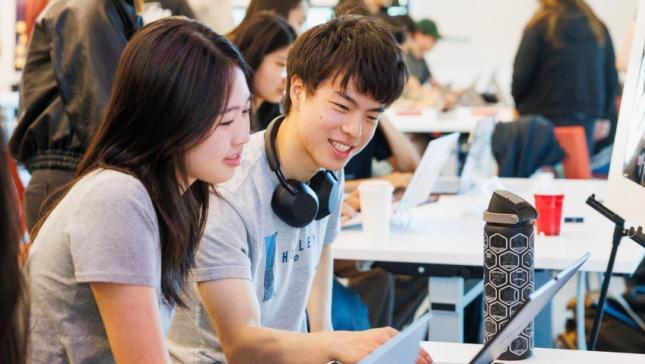
AI summer courses for future innovators
Through online summer programs and courses, Cornell Bowers helps high school and college students develop the knowledge and skills needed to thrive with future-proof AI education.
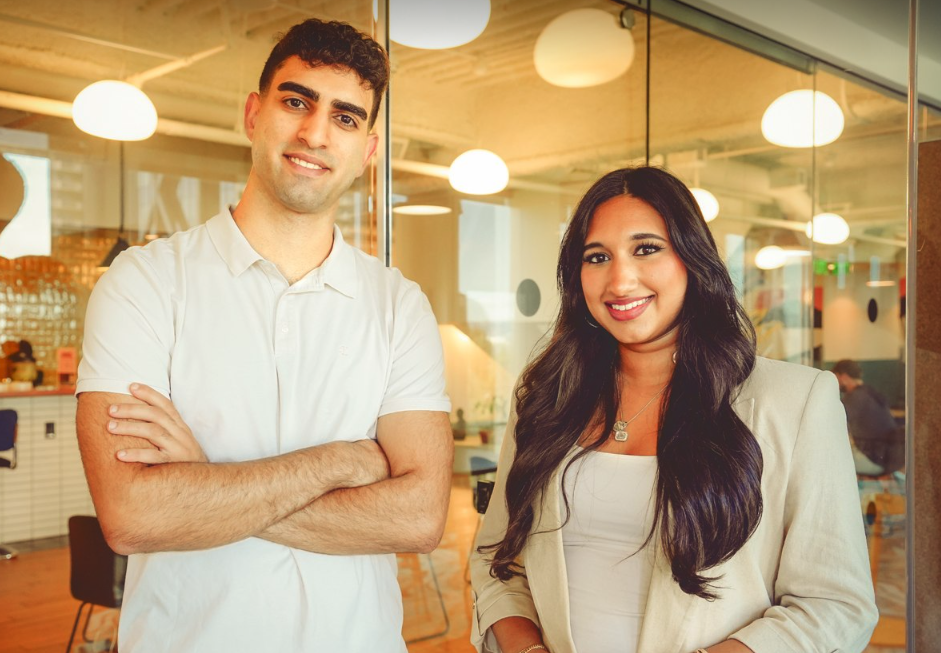

Vipin Gunda '25 uses AI to redefine wearable tech.
During his time at Cornell Bowers, Vipin Gunda `25, a former computer science major, used AI to advance wearable tech. His work on wearable devices combined acoustic sensing and machine learning to improve accessibility and transform everyday experiences for people with disabilities.